Credit unions operating under Multiple Common Bond (MCB) charters have access to three distinct pathways for field of membership expansion. Each pathway offers unique advantages, yet the third option—Underserved Areas—remains significantly underutilized despite its potential to drive substantial growth.
In this article, we'll explore:
- The three eligibility pathways available under MCB charters
- Why Underserved Areas offer the most flexibility for strategic expansion
- How credit unions can evaluate which pathway aligns with their growth objectives
- The documentation and planning requirements for each approach
What Defines a Multiple Common Bond Charter?
Multiple Common Bond charters allow credit unions to serve multiple distinct groups, each with its own common bond. Unlike Single Common Bond charters where all members share the same occupational or associational connection, MCB charters can combine different types of groups under one charter.
The NCUA's Chartering and Field of Membership Manual establishes that MCB charters can include occupational groups, associational groups, or a combination of both. This structure provides credit unions with flexibility to build diverse membership bases without being constrained by a single common bond requirement.
Geography plays a role in MCB charters. Each group must be located within the service area of the credit union's facilities. The NCUA generally uses a 25-mile radius as an informal guideline, though this can vary based on specific circumstances and whether the credit union can demonstrate adequate service capacity.
Pathway One: Select Employer Groups
Select Employer Groups (SEGs) represent the most traditional approach to MCB expansion. Credit unions add individual employers to their field of membership, allowing them to serve employees of those organizations.
Requirements for adding SEGs depend on the size of the employer. For groups with fewer than 3,000 employees, the process is relatively straightforward. Documentation includes a letter from an authorized representative of the employer expressing interest in providing credit union access, along with basic information about employee count and physical location.
Larger employers trigger additional requirements. Groups with 3,000 to 4,999 members require more extensive documentation, and those with 5,000 or more members face even stricter scrutiny under NCUA guidelines. This scaling of requirements reflects the regulator's concern about ensuring credit unions can adequately serve larger populations.
Service area limitations apply to each SEG individually. The employer's location must fall within the credit union's service area, or the credit union must establish that a majority of employees work within that area. This geographic constraint can limit expansion opportunities for credit unions seeking to grow beyond their immediate region.
Pathway Two: Associations
Associational groups provide another avenue for MCB expansion. These are organizations whose members share a common bond through their association membership rather than through employment.
To qualify, associations must meet specific NCUA criteria. The association must be recognized as a legitimate entity with formal bylaws, articles of incorporation, or equivalent documentation. The association must also have demonstrable membership structures and regular activities that bind members together.
Open associations deserve particular attention. These organizations have broad membership eligibility criteria, potentially allowing credit unions to serve individuals regardless of where they live or work. However, adding open associations requires careful planning and more complex approval processes.
Documentation requirements for associations mirror those for employer groups. Credit unions need a letter from an authorized representative, membership counts, physical addresses, and evidence that the association operates within the credit union's service area. For associations with larger memberships, additional documentation requirements apply.
Pathway Three: Underserved Areas
Underserved Areas represent the most flexible and often overlooked pathway for MCB expansion. Unlike SEGs and associations, there is no limit to the number of underserved areas a credit union can add to its charter.
An underserved area must meet three core requirements established in the Federal Credit Union Act. First, it must qualify as a local community, neighborhood, or rural district. Second, it must meet the definition of an investment area under the Community Development Financial Institutions Act. Third, it must be underserved by other depository institutions based on NCUA data. The CDFI Fund provides mapping tools that let credit unions determine whether a specific area qualifies as an investment area. These tools analyze census tract data to identify areas that meet economic distress criteria, such as high poverty or unemployment rates.
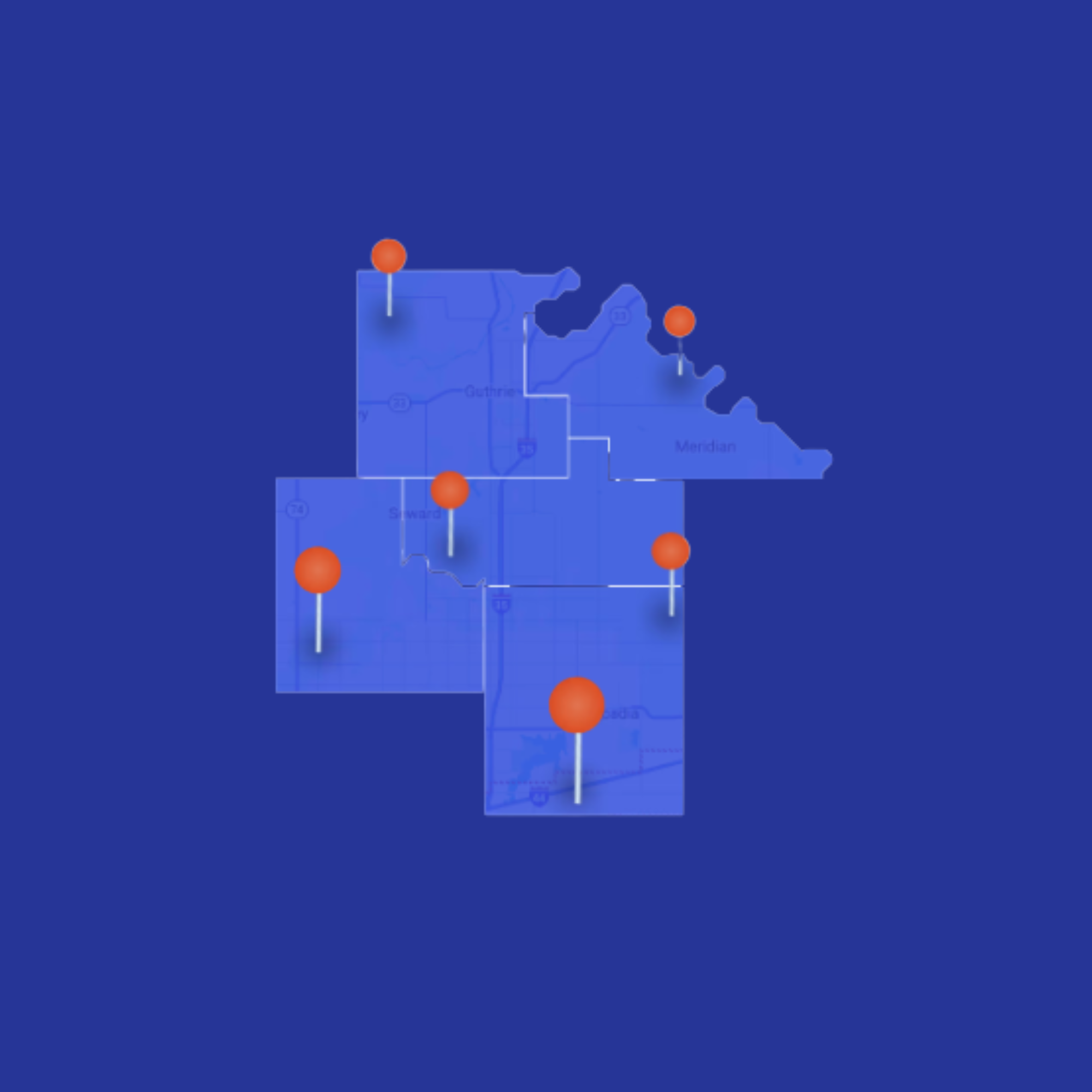
The scale of that opportunity is not theoretical. CUCollaborate guided GECU through one of the largest field of membership expansions on record. GECU had reached a high level of penetration in its existing community, and its state community charter capped further growth at the geographic line. CUCollaborate converted GECU to a federal multiple common bond charter to clear that limit, then added seven underserved areas: six rural districts and one local community, with a combined population of 5.1 million. The expansion took GECU from under one million potential members to more than five million.
Documentation and Planning Requirements
Each pathway requires different documentation packages. For SEGs and associations, credit unions need letters from authorized representatives, population data, and distance calculations from the group's location to credit union facilities.
Underserved Areas demand more comprehensive documentation. Credit unions must obtain CDFI Investment Area maps and reports demonstrating that the requested area qualifies. They must calculate concentration of facilities ratios to prove the area lacks adequate banking services. Most critically, they must provide a narrative addressing the significant unmet financial needs in the area and how the credit union will meet those needs.
Business and marketing plans scale with the complexity and size of the expansion. Small SEG additions may require minimal planning documentation, while large underserved areas necessitate detailed three-year financial projections and comprehensive service strategies.
The NCUA evaluates each application based on the credit union's demonstrated capacity to serve the proposed groups or areas. Credit unions must show not just regulatory compliance but practical ability to deliver services effectively.
Strategic Considerations for MCB Expansion
Choosing the right pathway depends on several factors. Credit unions focused on maintaining relationships with specific employers or organizations may prioritize SEG or association additions. Those seeking maximum geographic reach and population potential should examine underserved area opportunities.
Operational capacity matters significantly. Adding multiple SEGs requires systems for verifying employment eligibility and managing relationships with various employers. Underserved area additions require marketing strategies to reach dispersed populations and service delivery models that work for communities facing economic challenges.
Charter strategy interacts with other designations. Credit unions pursuing Low-Income Designation or CDFI Certification may find that underserved area additions align naturally with those goals. The populations served through underserved areas often meet the criteria for these special designations.
Long-term growth trajectories should inform pathway selection. Credit unions planning multi-state expansion may find that underserved areas offer pathways across state lines that SEGs cannot provide. Those focused on deepening local market penetration may achieve better results through targeted association partnerships.
Common Challenges in MCB Applications
Service area definitions create frequent complications. Credit unions sometimes struggle to demonstrate that proposed groups fall within their service area, particularly when adding groups in more distant locations. Addressing this requires careful facility planning and compelling documentation of service capacity.
Underserved area verifications demand technical expertise. Calculating facility concentration ratios and proving areas meet investment area criteria requires data analysis skills many credit unions lack internally. Errors in these calculations can delay or derail applications.
Business plan development presents another challenge. The NCUA expects detailed, realistic plans showing how credit unions will serve new populations. Generic or superficial plans typically result in requests for additional information, extending approval timelines.
Sequencing matters for credit unions planning multiple expansions. Some additions build on each other strategically, while others may create complications if pursued in the wrong order. Planning the overall expansion strategy before submitting applications helps avoid these issues.
Combining Multiple Pathways
MCB charters can incorporate all three pathways simultaneously. Credit unions might serve several employer groups, multiple associations, and one or more underserved areas under a single charter. This flexibility allows institutions to build diverse membership bases that balance stability with growth potential.
However, managing multiple pathways requires sophisticated systems and processes. Eligibility verification becomes more complex when some members qualify through employment, others through association membership, and still others through residence in underserved areas. Credit unions need technology and training to handle this complexity efficiently.
Marketing and member acquisition strategies must adapt to different populations. Messaging that resonates with employees of a specific company may not work for residents of an underserved area. Credit unions pursuing multiple pathways need segmented marketing approaches and targeted outreach efforts.
Getting Started with MCB Expansion
Credit unions considering MCB expansion should begin with assessment. Analyzing current membership composition, identifying growth objectives, and evaluating operational capacity provides the foundation for expansion planning.
Geographic analysis helps identify opportunities. Mapping existing membership concentrations, examining census tract data for potential underserved areas, and evaluating employer or association locations reveals where expansion makes strategic sense.
Regulatory compliance research cannot be shortcut. Understanding NCUA requirements, gathering necessary documentation, and preparing comprehensive applications requires time and expertise. Many credit unions benefit from specialized consulting support to guide this process.
Financial modeling should accompany expansion planning. Projecting membership growth, estimating service delivery costs, and forecasting revenue impacts helps credit unions ensure expansions align with financial sustainability.
Making MCB Work for Your Credit Union
Multiple Common Bond charters offer three distinct pathways to membership growth, each with unique advantages and requirements. Select Employer Groups provide targeted access to specific workforces. Associations create connections with organized member groups. Underserved Areas unlock geographic expansion with remarkable flexibility.
Most credit unions default to SEG additions because they seem familiar and straightforward. Yet underserved areas often present the greatest long-term growth potential, particularly for institutions ready to expand beyond traditional service areas or serve populations facing economic challenges.
Success with MCB expansion requires more than regulatory compliance. It demands strategic thinking about market opportunities, operational planning for service delivery, and commitment to serving diverse populations effectively. Credit unions that approach MCB expansion thoughtfully can build sustainable growth while advancing financial inclusion.
How CUCollaborate Can Help
Credit unions pursuing MCB expansion face complex regulatory requirements and strategic decisions that benefit from specialized expertise. CUCollaborate offers comprehensive support throughout the field of membership expansion process, including mapping tools and population analysis with underserved area scenario comparisons. We handle independent submission of Underserved Area Verifications, managing the technical documentation required to demonstrate areas meet NCUA criteria. Our team provides guidance in developing inputs for approvable business and marketing plans, creates three-year financial projections that reflect realistic growth assumptions, and drafts complete applications that address regulatory standards. We support credit unions through the entire regulatory approval process and facilitate introductions to approvable open association partners when associations align with expansion strategy.
Our approach combines technical analysis with regulatory knowledge to help credit unions identify the expansion pathways that align with their strategic objectives and operational capacity. Whether pursuing Select Employer Groups, associations, or underserved areas, we help credit unions build applications that meet NCUA standards and position institutions for sustainable growth.
The three pathways are not equally valuable for every credit union, and underserved areas are the one most often left unused. CUCollaborate models all three against your charter and shows you which expansion has the most potential. Schedule a field of membership consultation.